- Hardware container > CmStick/B
- Software container > CmActLicense
When activating the license ticket into a software container (CmActLicense), WIBU CodeMeter creates a fingerprint of the computer, which records several hardware properties, such as the hard disk, motherboard, network card, and CPU.
The fingerprint automatically takes the environment and the operating system of the user into account.
Virtual environments and their specific characteristics are automatically detected as well and will be taken into account when determining the fingerprint.
The tolerance mechanism ensures that the CmActLicense and the cryptographic keys stored in the license file remain valid, even when the hardware of the computer is replaced within the tolerance level. In a virtual environment, the hardware changes are less tolerant.
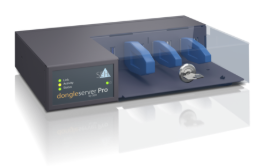
These licenses can then be shared with the virtual machine using USB passthrough, USB servers or USB-to-Ethernet sharing software.
Please note that Hyper-V does not support USB passthrough!
Was this article helpful?
That’s Great!
Thank you for your feedback
Sorry! We couldn't be helpful
Thank you for your feedback
Feedback sent
We appreciate your effort and will try to fix the article